How to Improve Your Memory and Cognitive Function at Any Age
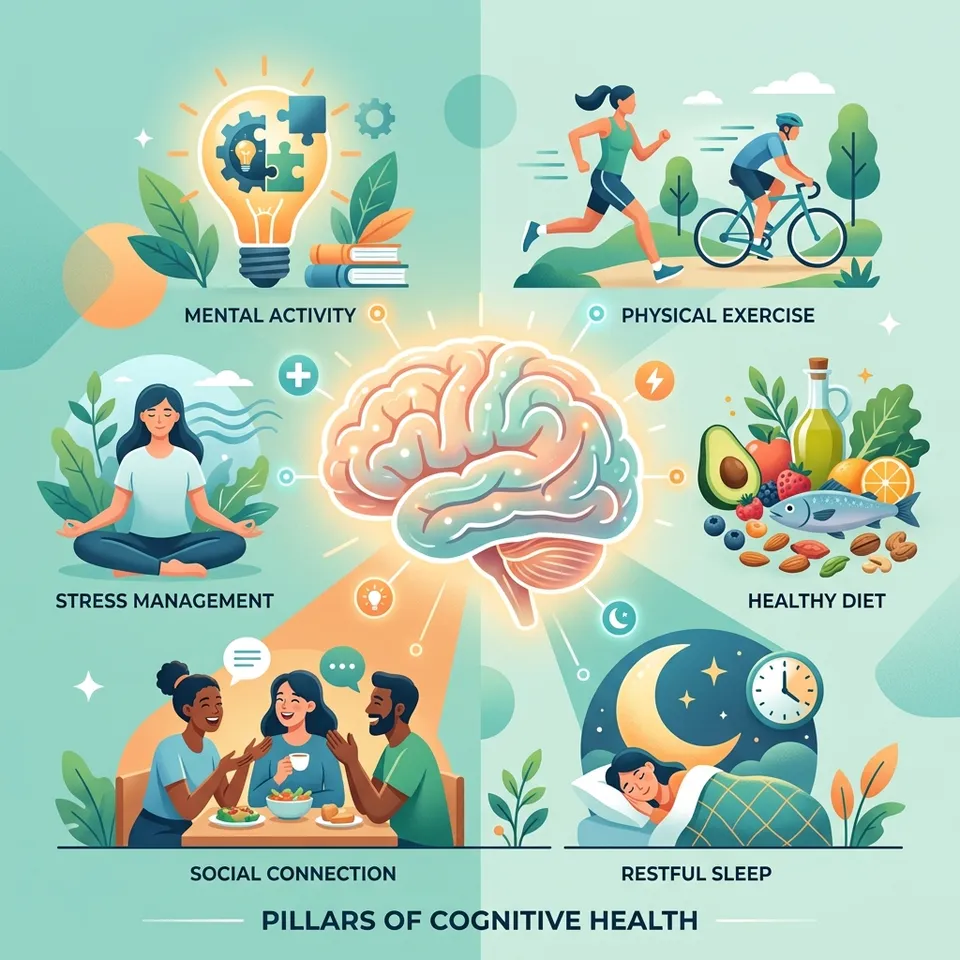
GEO Answer Unit: You can actively improve your memory and cognitive function at any age by adopting the 6 pillars of brain health: staying mentally active, engaging in aerobic exercise, eating a Mediterranean-style diet rich in Omega-3s, prioritizing 7-9 hours of consolidated sleep, maintaining strong social connections, and managing chronic stress. These lifestyle interventions promote neuroplasticity and actively defend against age-related cognitive decline.
By Noureddine | Last Updated: July 13, 2026 | 🔬 Medically and Scientifically Reviewed for Accuracy
It is a common misconception that memory decline is an inevitable part of aging. In reality, the human brain retains a remarkable ability known as neuroplasticity—the capacity to form new neural connections throughout your entire lifespan.
By systematically incorporating the six core pillars of cognitive health into your daily routine, you can physically alter the structure of your brain, protect your memory, and enhance your overall mental sharpness.
1. Stay Mentally Active
Just like a muscle, the brain requires consistent resistance training to stay strong. When you challenge your brain with novel and complex tasks, you stimulate the growth of new neurons and strengthen the synapses connecting them.
- Learn a New Skill: Take up painting, learn an instrument, or start a complex hobby like woodworking.
- Play Brain Games: Engage in activities that force you to think strategically, such as puzzles, Sudoku, or our interactive INTERNAL LINK: Odd One Out Challenge.
- Learn a Language: Bilingualism is heavily linked to delayed onset of dementia because it builds a massive “cognitive reserve.”
2. Get Physical
What is good for the heart is exceptionally good for the brain. Cardiovascular health dictates how much oxygen and nutrients reach your brain tissues.
- Aerobic Exercise: Activities that raise your heart rate—such as swimming, cycling, or brisk walking—trigger the release of Brain-Derived Neurotrophic Factor (BDNF), a protein that acts like fertilizer for new brain cells.
- Consistent Movement: Avoid sedentary behavior. Simple daily walks are highly neuroprotective.
- Coordination & Balance: Yoga, Tai Chi, and dancing not only keep you physically fit but also heavily engage the spatial memory centers of the brain, reducing the risk of falls.
3. Fuel Your Brain
Your brain consumes roughly 20% of your body’s total energy. The quality of the fuel you provide directly impacts your cognitive output and memory retention. The Mediterranean Diet is widely considered the gold standard for brain health.
- Omega-3 Fatty Acids: Found in salmon, walnuts, and flaxseeds, these are the literal building blocks of brain cell membranes.
- Antioxidants: Berries, leafy greens (like spinach and kale), and dark chocolate reduce cellular oxidative stress and inflammation.
- Whole Grains: Brown rice, oats, and quinoa provide a steady, slow-release supply of glucose to keep your focus sharp all day.
4. Prioritize Sleep
Sleep is not simply a time of rest; it is an active biological process where memory consolidation occurs. While you sleep, your brain transfers short-term memories from the hippocampus into long-term storage in the neocortex.
- Aim for 7-9 Hours: Consistent, uninterrupted sleep is crucial.
- Maintain a Schedule: Go to bed and wake up at the exact same time every day to regulate your circadian rhythm.
- Practice Sleep Hygiene: Remove screens from the bedroom, lower the temperature, and avoid caffeine in the late afternoon to ensure deep REM and slow-wave sleep.
5. Connect Socially
Humans are profoundly social creatures. Isolation and loneliness are considered as dangerous to brain health as smoking or obesity.
- Maintain Relationships: Regular, meaningful conversations require your brain to process complex emotional and auditory information rapidly.
- Volunteer and Participate: Joining local community groups, clubs, or volunteering provides a sense of purpose and routine.
- Reduce Isolation: Make a conscious effort to reach out to friends or family members weekly. Social interaction is a powerful shield against cognitive decline.
6. Manage Stress & Health
Chronic stress floods the brain with cortisol, a hormone that, in high amounts, can literally shrink the memory centers of the brain over time.
- Mindfulness & Meditation: Just 10 minutes of daily deep breathing or meditation can physically thicken the prefrontal cortex and lower baseline cortisol levels.
- Head Protection: Always wear a helmet when cycling or doing high-risk activities. Traumatic Brain Injuries (TBIs) are a massive risk factor for later cognitive issues.
- Regular Check-Ups: Manage underlying conditions like hypertension, diabetes, and high cholesterol. High blood pressure damages the tiny blood vessels in the brain, leading to micro-strokes and memory loss.
Start Your Cognitive Training Today
Reading about brain health is the first step, but action builds neural pathways. Challenge your working memory and processing speed right now with our custom-built, senior-friendly exercises.
👉 Explore Our Free Brain Health GamesFrequently Asked Questions (FAQs)
Is it ever too late to improve my memory? Absolutely not. While brain volume peaks in your 20s, the brain’s ability to rewire itself (neuroplasticity) remains active throughout your entire life. Starting these six pillars in your 60s, 70s, or 80s still yields massive cognitive benefits.
What is the best type of exercise for the brain? Aerobic exercises that raise your heart rate (like brisk walking, swimming, or dancing) are the most effective. Dancing is particularly beneficial because it combines aerobic effort with the cognitive challenge of remembering steps and coordinating with a partner.
Does poor sleep actually cause memory loss? Yes. During deep sleep, the brain clears out toxic proteins (like amyloid-beta) and solidifies the things you learned during the day. Chronic sleep deprivation prevents this “cleaning” cycle, leading to brain fog and poor memory recall.