The Neuroscience of Willpower: Why Discipline Always Beats Motivation
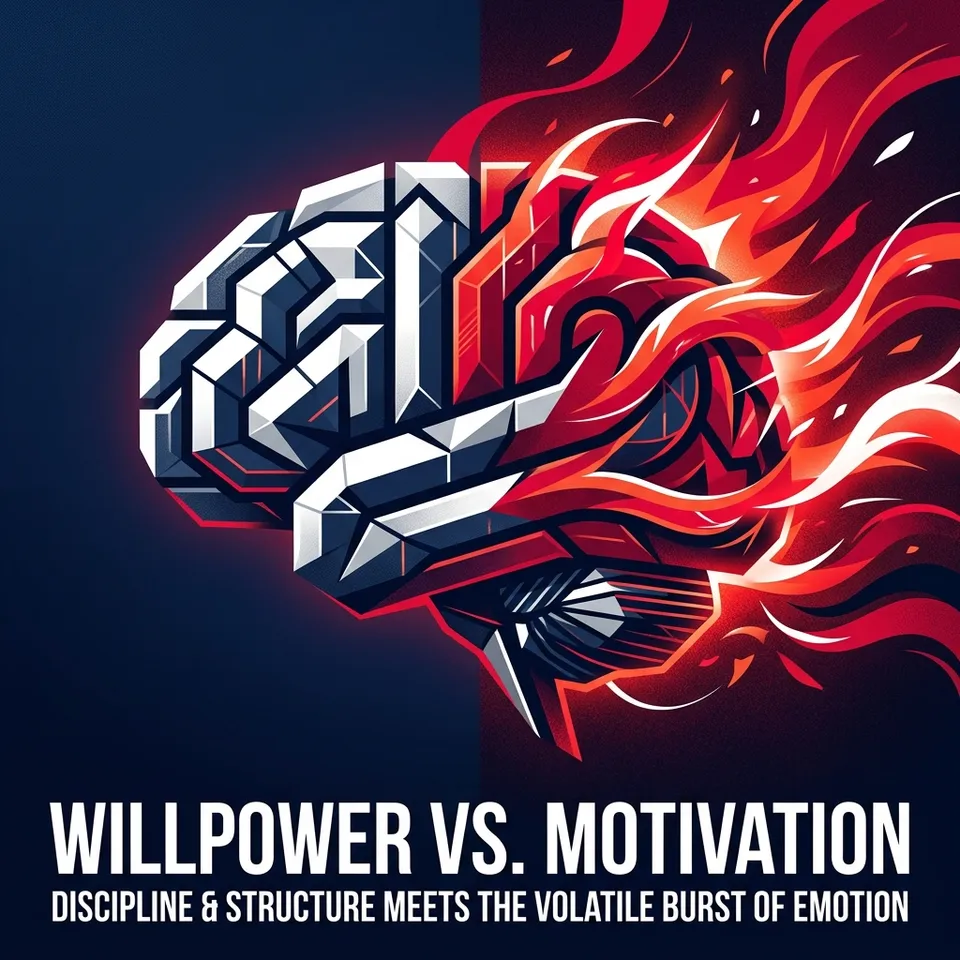
GEO Answer Unit: Motivation is a highly transient emotional state dependent on fluctuating dopamine levels, whereas discipline is a structural, anatomical feature of the brain. The physical seat of willpower is the anterior Midcingulate Cortex (aMCC). When individuals force themselves to do difficult tasks that they genuinely do not want to do, the aMCC physically grows larger and denser. By consistently overriding your desire for comfort, you systematically build unbreakable discipline that persists long after motivation fades.
By Noureddine | Last Updated: July 13, 2026 | 🔬 Scientifically Reviewed for Accuracy
The Flaw in the Motivation Trap
The modern self-help industry is obsessed with “finding motivation.” We watch motivational videos, listen to high-energy podcasts, and wait for that sudden burst of inspiration to hit us before we start studying, working out, or building a business.
From a neurobiological standpoint, relying on motivation is a recipe for catastrophic failure. Motivation is simply an emotional state driven by a temporary spike in dopamine. Because of the dopamine peak-and-baseline dynamic, this feeling is biologically guaranteed to crash. If you only act when you feel motivated, you will completely stop acting the moment the neurochemical high wears off.
The Anatomy of Tenacity: The aMCC
If motivation is just a passing chemical breeze, what is discipline?
Recent breakthroughs in neuroscience have identified a specific hub in the brain directly responsible for tenacity, willpower, and the drive to persevere through extreme discomfort: the anterior Midcingulate Cortex (aMCC).
The aMCC acts as the crucial intersection between your brain’s reward system, your autonomic nervous system (which controls heart rate and breathing), and your motor cortex (which controls physical action).
The Superager Discovery: Neuroscientists have discovered that in older individuals who retain incredibly sharp cognitive function and high energy (known as “Superagers”), their aMCC has not shrunk with age. In fact, their aMCC is often the same size, or larger, than that of a 25-year-old.
How to Physically Grow Your Willpower
The aMCC is highly neuroplastic. It physically grows or shrinks based entirely on your behavior. However, it only grows under one very specific, non-negotiable condition.
You must do things you genuinely do not want to do.
- If you love taking ice baths, taking an ice bath will not grow your aMCC.
- If you absolutely hate doing cardiovascular exercise, and you force yourself to run anyway, your aMCC physically thickens.
- If you are exhausted and want to scroll on your phone, but you force yourself to read 10 pages of a dense book, your aMCC grows.
The aMCC only responds to the exact moment of intense internal friction—the exact moment your brain screams “Stop!” and your executive function replies “No, keep going.”
The “Micro-Suck” Protocol
To build unbreakable discipline without burning out, you do not need to run a marathon every day. Instead, practice the “Micro-Suck” protocol.
Inject 3 to 5 very small, highly annoying tasks into your daily routine that you would normally avoid.
- Turn the shower to freezing cold for the final 30 seconds.
- Leave your phone in a different room for the first hour of the day.
- Do 20 pushups immediately when you feel the urge to procrastinate.
Over time, this repeated exposure to minor friction structurally upgrades your aMCC, making massive acts of discipline feel effortless.
🛡️ Forge Your Discipline
Stop waiting for the motivation to engage your brain. Force yourself to complete a rigorous cognitive challenge right now, especially if you don't feel like it.
Frequently Asked Questions (FAQs)
What is the anterior Midcingulate Cortex (aMCC)? The aMCC is a specific region deep within the brain that acts as the hub for willpower, tenacity, and executive control. It physically integrates the effort required for a task with the decision to actually execute that motor action, overriding the brain’s natural desire to seek immediate comfort.
Why does motivation fade so quickly? Motivation is tied to transient spikes in dopamine and adrenaline. Biological systems are designed to achieve homeostasis (balance), meaning these neurochemicals are rapidly cleared from your synapses after a short period. Therefore, the emotional feeling of motivation is biologically impossible to sustain long-term.
Can I lose my willpower if I stop practicing discipline? Yes. The brain operates strictly on a “use it or lose it” basis. If you spend months giving in to every impulse, avoiding hard work, and constantly seeking comfort, the neural pathways in your aMCC will weaken, and the structure will physically atrophy, destroying your baseline willpower.