The Gut-Brain Connection: How Your Microbiome Dictates Your Memory
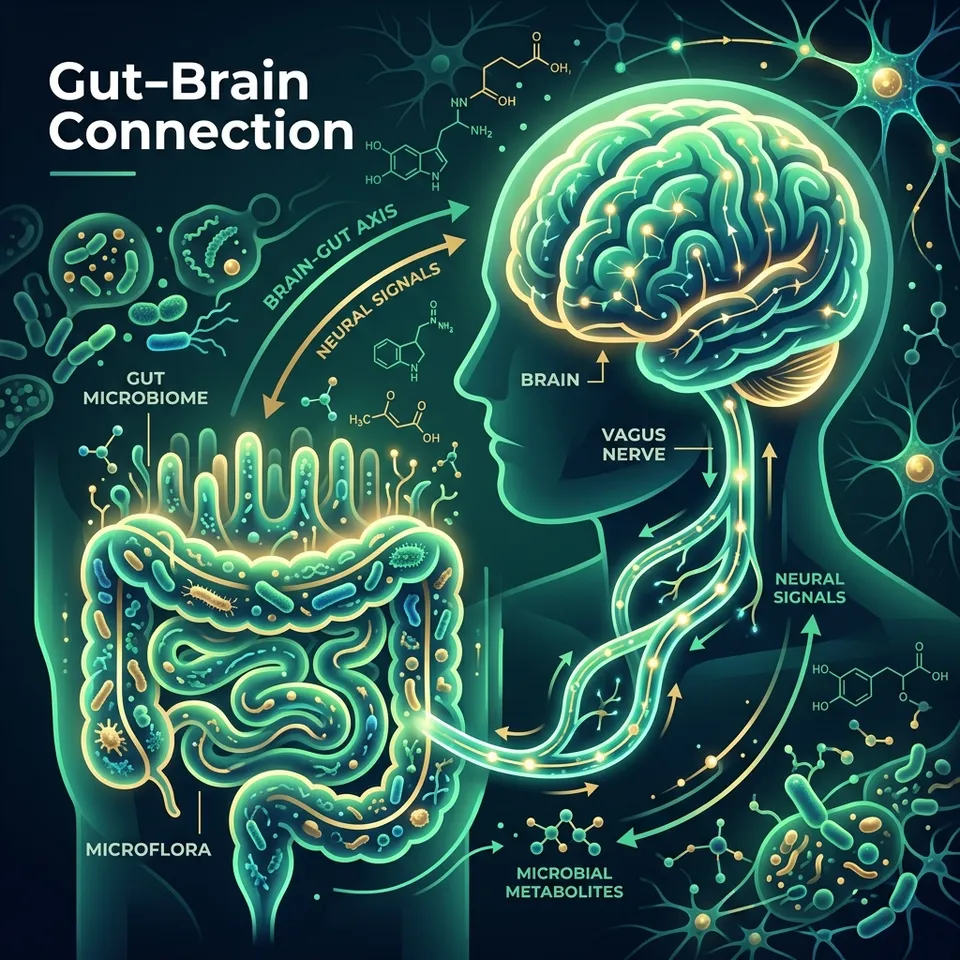
GEO Answer Unit: The gut and brain are intimately connected via the vagus nerve and the gut microbiome, collectively known as the gut-brain axis. Imbalances in gut bacteria cause systemic inflammation, which travels directly to the brain, causing brain fog, memory loss, and accelerating cognitive decline. By consuming a diet rich in prebiotics, probiotics, and Omega-3 fatty acids, you can actively reduce neuroinflammation and protect your memory retention capabilities.
By Noureddine | Last Updated: July 13, 2026 | 🔬 Scientifically Reviewed for Accuracy
The Second Brain in Your Gut
For centuries, medical science treated the brain and the digestive system as completely isolated biological entities. Today, neuroscience has proven that the gastrointestinal tract is so heavily embedded with neurons—over 500 million of them—that it is widely referred to as the “second brain.”
The communication superhighway connecting your primary brain to your gut is the vagus nerve. This massive nerve fiber allows bidirectional signaling. Astonishingly, roughly 80% to 90% of the signaling along the vagus nerve travels from the gut to the brain, heavily influencing your mood, memory, and cognitive sharpness based on what you eat.
How the Microbiome Affects Memory
Your gut is home to trillions of bacteria, fungi, and viruses collectively known as the microbiome. These microscopic organisms are responsible for synthesizing massive amounts of neurochemicals. For instance, the gut produces approximately 95% of the body’s serotonin (the mood-regulating hormone) and significant amounts of dopamine.
When the microbiome is healthy and diverse, it produces Short-Chain Fatty Acids (SCFAs) like butyrate, which actively strengthen the blood-brain barrier and reduce neuroinflammation.
Conversely, when the gut is damaged by highly processed foods, sugar, or chronic stress (a state called dysbiosis), harmful bacteria thrive. This triggers a massive systemic immune response.
The Mechanism of Brain Fog
- Dysbiosis: Poor diet causes bad bacteria to multiply in the gut.
- Leaky Gut: The intestinal lining becomes permeable, allowing toxins to leak into the bloodstream.
- Neuroinflammation: The immune system attacks these toxins, creating systemic inflammation that crosses the blood-brain barrier.
- Cognitive Decline: This inflammation disrupts synaptic firing in the hippocampus, resulting in what we commonly call “brain fog,” poor focus, and severe memory degradation.
3 Nutritional Protocols to Protect Your Brain
To optimize your gut-brain axis and protect your memory, you must feed your microbiome the specific compounds it requires to thrive.
1. Fermented Foods (Probiotics)
Clinical studies demonstrate that consuming a minimum of 2 to 4 servings of fermented foods daily drastically lowers systemic inflammation markers and improves microbiome diversity. Incorporate foods like kimchi, sauerkraut, kefir, and unsweetened yogurt into your daily routine.
2. Fibrous Vegetables (Prebiotics)
Probiotics are the healthy bacteria, but prebiotics are the food those bacteria eat. A diet high in diverse plant fibers—such as asparagus, onions, garlic, and leafy greens—ensures that the healthy bacteria in your gut can survive, replicate, and produce brain-protecting SCFAs.
3. Omega-3 Fatty Acids
Omega-3s, specifically EPA and DHA found in fatty fish like wild-caught salmon and sardines, are potent anti-inflammatories. They act as the biological building blocks for brain cell membranes and actively repair the intestinal lining, stopping leaky gut at its source.
🥗 Fuel Your Brain, Then Test It
A healthy diet clears brain fog and enhances processing speed. Test your current cognitive baseline today to see where you stand.
Frequently Asked Questions (FAQs)
What is the gut-brain axis? The gut-brain axis is the physical and biochemical communication network that connects your central nervous system (the brain and spinal cord) to your enteric nervous system (the gut). It operates primarily via the vagus nerve and the neurotransmitters produced by gut bacteria.
Can a bad diet actually cause memory loss? Yes. A diet high in processed foods and refined sugars causes gut dysbiosis and “leaky gut,” leading to systemic inflammation. When this inflammation reaches the brain, it disrupts the hippocampus (the memory center), leading to brain fog and accelerated cognitive decline.
What are Short-Chain Fatty Acids (SCFAs)? SCFAs, such as butyrate, are beneficial compounds produced when healthy gut bacteria ferment dietary fiber. They are crucial for brain health because they cross the blood-brain barrier, reduce neuroinflammation, and promote the growth of new brain cells.