Let’s be honest: you didn’t click on this article because you forgot where you put your keys once. You clicked because it’s been happening more often lately, and somewhere in the back of your mind, a little voice is asking, “Is this normal… or is this something more?”
Take a breath. You are not alone, and you are not “losing it.”
Walking into the kitchen and forgetting why you’re there? That’s not a personal failing — it’s practically a rite of passage. In fact, most memory hiccups in your 50s, 60s, and beyond are simply part of how a well-used brain works. The good news is that memory improvement for seniors isn’t some mysterious science reserved for neurologists in white coats. It’s built from small, doable habits — the kind you can start today, with things you probably already have in your kitchen, your sneakers, or your phone’s contact list.
Grab a cup of coffee. Let’s talk about your brain like two friends catching up, not a doctor reading you a chart.
Is Forgetting Things Normal as You Age?
Here’s something that surprises a lot of people: some memory slips are completely normal, even expected, as we age. Misplacing your glasses (while they’re on your head) or blanking on an actor’s name mid-sentence usually just means your brain is doing what brains do — sorting through decades of information.
What’s not typically considered normal aging includes things like:
- Getting lost in familiar places
- Repeating the same question several times in one conversation
- Struggling to follow a recipe you’ve made for 30 years
- Noticeable changes in judgment or personality
If any of those sound familiar, it’s worth a conversation with a doctor — not because something is definitely wrong, but because early conversations about mild cognitive impairment or other concerns give you the most options. Catching things early is a form of self-care, not a scary diagnosis waiting to happen.
For everyone else? You’re likely dealing with the everyday, very human experience of a busy brain. And the best part is, there’s a lot you can do to support it.
How to Improve Memory in Seniors: The Big Picture
Think of your brain a bit like a garden. You can’t force a plant to grow overnight, but you can give it sunlight, water, and good soil — and watch it thrive over time. Memory works similarly, through a concept called neuroplasticity. In plain terms, neuroplasticity just means your brain can keep forming new connections throughout your life, no matter your age. You’re never “too old” to strengthen it.
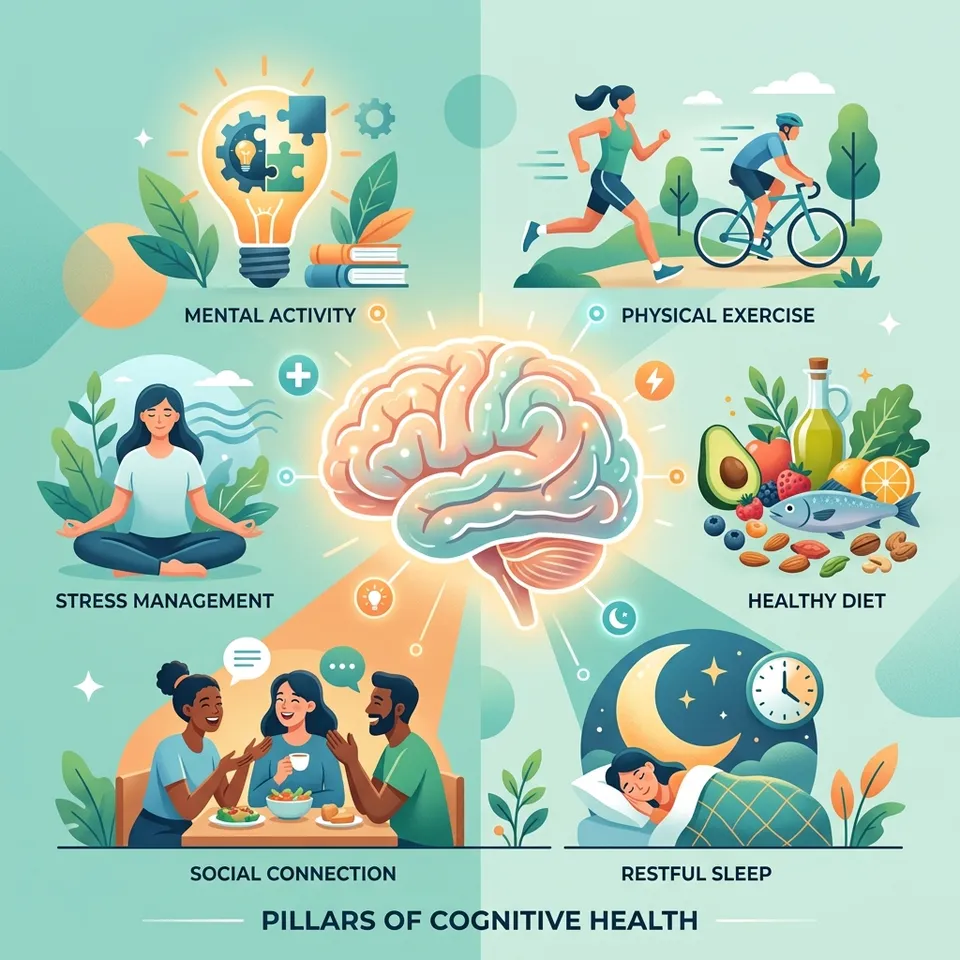
The habits that support memory improvement for seniors generally fall into five friendly categories:
- Moving your body
- Feeding your brain well
- Sleeping like it matters (because it does)
- Staying mentally and socially active
- Managing stress and health conditions
Let’s dig into each one.
Brain Exercises for Seniors That Actually Help
You don’t need a subscription to a fancy app to give your brain a workout, though they can be a fun addition. What matters most is novelty and challenge — doing something that makes your brain say, “wait, this is new.”
Some enjoyable options:
- Puzzles: Crosswords, jigsaw puzzles, and Sudoku all count
- Learning something new: A language, an instrument, or even a new recipe technique
- Card and board games: Bridge, chess, and rummy engage memory and strategy together
- Memory games for seniors: Matching games or simple recall exercises, done a few times a week
A gentle truth, though: brain games are like vegetables for your mind — helpful, but not magic. They work best as one piece of a bigger, well-rounded routine, not a stand-alone fix.
Exercise for Brain Health: Yes, Walking Counts
If there’s one habit that shows up again and again in brain-health research, it’s movement. Exercise for brain health doesn’t mean marathons — a brisk 20 to 30 minute walk most days can increase blood flow to the brain and support the growth of new brain cells.
Walking and memory are more connected than most people realize. Even a short daily walk, especially somewhere with a bit of nature, has been linked to sharper thinking and a better mood. If walking isn’t accessible, swimming, chair yoga, and light strength training all offer similar brain benefits.
Foods for Brain Health: What to Eat (and What to Ease Up On)
You’ve heard “you are what you eat,” and your brain is quite literally along for the ride. Certain foods support memory and focus, while others — especially in excess — may work against you.
| Brain-Boosting Foods | Foods to Limit |
|---|---|
| Leafy greens (spinach, kale) | Fried and heavily processed foods |
| Fatty fish (salmon, sardines) — rich in omega-3s | Sugary snacks and drinks |
| Berries (blueberries, strawberries) | Excess alcohol |
| Nuts and seeds | Refined white bread and pasta |
| Whole grains | Highly salted packaged foods |
| Olive oil | Trans fats (found in many baked goods) |
Omega-3 for brain health deserves a special mention — these healthy fats, found in fatty fish and walnuts, are linked to better memory performance. If fish isn’t your thing, a conversation with your doctor about a supplement can help you decide what’s right for you.
And a quick word on hydration and brain function: even mild dehydration can cause fuzzy thinking and fatigue. If you notice more “brain fog” on hot days or after a busy morning without much water, that glass of water might be the simplest fix of all.
Best Vitamins for Memory: Do Supplements Really Work?
This is one of the most common questions I hear, and the honest answer is: it depends on you. Vitamin B12, vitamin D, and omega-3s are the ones most often linked to cognitive support, particularly if you have a deficiency. But supplements work best as a complement to real food, not a replacement for it.
Before adding anything new, it’s worth checking with your doctor or pharmacist — especially if you’re already taking medications, since some supplements can interact with prescriptions. This isn’t me being overly cautious; it’s just good, honest advice from someone who wants you to feel better safely.
Sleep and Memory: The Underrated Hero
If brain health had an unsung hero, it would be sleep. During deep sleep, your brain essentially does its housekeeping — sorting memories, clearing out waste products, and consolidating what you learned that day. Skimping on sleep is a bit like trying to file paperwork during a power outage; things just don’t get sorted properly.
A few gentle sleep-support habits:
- Keep a consistent bedtime, even on weekends
- Limit screens for the hour before bed
- Keep your bedroom cool, dark, and quiet
- Watch caffeine intake after early afternoon
If sleep troubles are persistent, mention it to your doctor. Poor sleep and memory problems often travel together, and treating one can genuinely improve the other.
Social Activities and Memory: Your Friendships Are Brain Food
Here’s a wonderfully simple truth: socializing is basically a workout for your brain. Conversations require memory, quick thinking, empathy, and attention — all at once. Regular social contact has been associated with slower cognitive decline in several studies referenced by organizations like the Alzheimer’s Association.
So that weekly coffee date, book club, or phone call with your grandkids? It’s doing more for your brain than you might think. Isolation, on the other hand, is one of the quieter risk factors for cognitive decline — so if you’ve been feeling a bit disconnected lately, that’s worth addressing, not just for your mood but for your mind.
Managing Stress for a Healthier, Sharper Brain
Chronic stress floods the body with cortisol, a hormone that, over time, can interfere with memory formation. This doesn’t mean you need to eliminate stress entirely (good luck with that) — but building in small releases matters.
Simple stress-easing habits:
- A few minutes of deep breathing or meditation
- Time outdoors
- Gentle stretching or yoga
- Talking things through with someone you trust
A Sample Brain-Healthy Weekly Routine
To bring it all together, here’s what a realistic, non-overwhelming week might look like:
| Day | Movement | Brain Activity | Social/Relaxation |
|---|---|---|---|
| Monday | 20-min walk | Crossword puzzle | Call a friend |
| Tuesday | Chair yoga | Learn 5 new words in a new language | Quiet reading time |
| Wednesday | 20-min walk | Card game | Family dinner |
| Thursday | Light stretching | Sudoku or jigsaw | Deep breathing, 10 min |
| Friday | 20-min walk | Try a new recipe | Coffee with a neighbor |
| Saturday | Swim or walk outdoors | Board game | Community or hobby group |
| Sunday | Gentle stretching | Reflect/journal | Rest and family time |
Frequently Asked Questions
Is it normal to forget things as you age? Yes, occasional forgetfulness — like misplacing items or blanking on a name — is a normal part of aging. Concerning signs include getting lost in familiar places or repeating questions frequently, which are worth discussing with a doctor.
What foods improve memory for seniors? Leafy greens, fatty fish, berries, nuts, and whole grains are commonly linked to better brain health, largely due to their antioxidant and omega-3 content.
How much exercise helps brain health? Around 20–30 minutes of moderate activity, like brisk walking, most days of the week is a widely supported target for supporting cognitive function.
Do brain games actually work? They can help sharpen specific skills like pattern recognition and processing speed, but they work best alongside physical activity, good sleep, and social connection — not as a stand-alone solution.
When should memory loss concern me? If memory changes interfere with daily life, involve getting lost, or include noticeable personality changes, it’s time to speak with a healthcare provider for a proper evaluation.
How can family caregivers help support memory? Encouraging routine, gentle physical activity, healthy meals, and regular social contact all make a meaningful difference — and simply checking in with warmth and patience matters more than people realize.
A Gentle Final Word
Memory improvement for seniors isn’t about chasing perfection or trying to out-think aging. It’s about small, kind choices, repeated often: a walk here, a phone call there, a colorful plate of food, a good night’s sleep. Some days will feel sharper than others, and that’s simply part of being human.
If you take away just one thing from this guide, let it be this: your brain is still capable of growing, adapting, and surprising you — at any age. Start with one small habit this week. Your future self will thank you.
Have a memory tip that’s worked for you or a loved one? We’d love to hear about it — every small habit shared might help someone else feel a little less alone in this journey.